
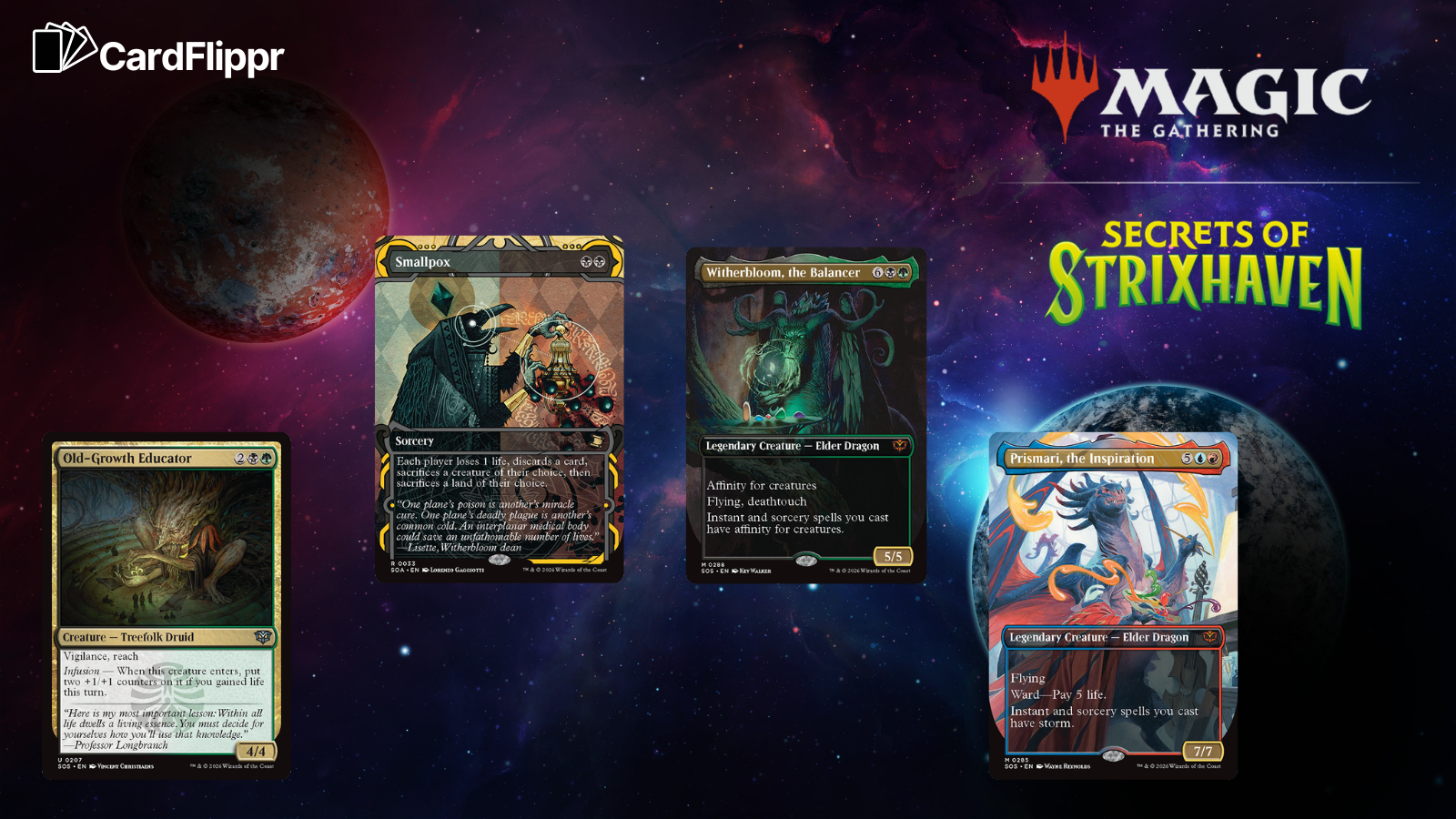
So you grabbed the Secrets of Strixhaven Commander deck featuring Witherbloom Pestilence. Great choice—this shell is packed with resilient value, a clear game plan, and lots of room for improvement. This guide walks you through what the precon already does well, what it struggles with, and how to upgrade it step-by-step without needing expensive staples.
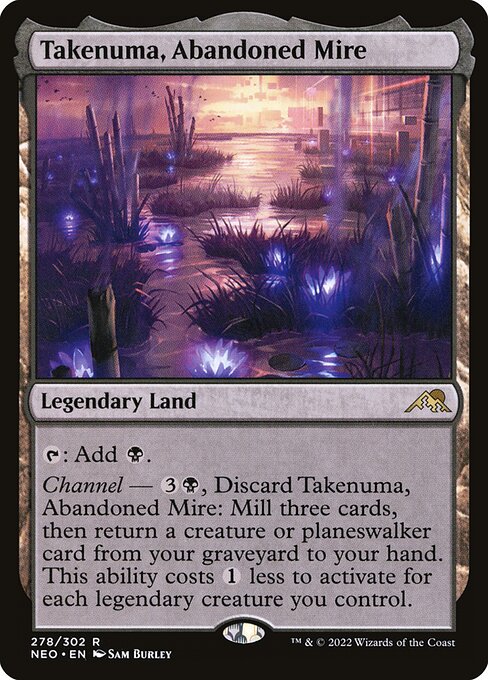
We’ll also reference key package ideas around Lorehold Spirit (Secrets of Strixhaven Commander Precon Decklist) to help you understand how other Strixhaven strategies approach speed and removal, and we’ll talk about land/strategy concepts using Takenuma, Abandoned Mire so your deck plays smoother from turn to turn.
What the Precon Does Well (Your Strengths)
The first thing to appreciate about Witherbloom Pestilence (Secrets of Strixhaven Commander Precon Decklist) is that it isn’t trying to “do everything.” It leans into a grindy, attrition-based plan: accrue advantage, punish opponents for stabilizing, and win by outlasting slower decks. The precon’s core identity is strategic death/value loops—making games difficult for decks that rely on one-time removal or a single decisive combat step.
1) Value from a Repeatable Game Plan
Your deck is happiest when you can repeatedly convert board presence into resources. That means you’re generally strongest when:
- You can establish a board state early enough to pressure.
- Your creatures and enchantment effects keep generating incremental value.
- You have enough survivability to keep feeding the loop.
Beginner takeaway: pilot the precon like an engine deck, not like a “one big combo” deck. Every turn should either advance your board, advance your resources, or protect your advantage.
2) Punishing Opponents Who Rely on Big Turns
Many Commander tables feature decks that want to untap and cast a haymaker. Witherbloom Pestilence (Secrets of Strixhaven Commander Precon Decklist) is well-positioned to make those plays less profitable because your strategy tends to convert “their big turn” into “your advantage.” When your board can threaten ongoing effects and your opponent’s tools get taxed by repeated value, you’ll notice how many games you win without needing a perfect hand.
Where the Precon Struggles (Common Beginner Pain Points)
Even though the precon is coherent, beginners often feel frustration in a few predictable areas. These aren’t “fatal flaws”—they’re the exact places where upgrades provide the most payoff.
1) Inconsistent Draw and Early Setup
Commander games are long, but the first 5 turns still determine whether your deck gets to play its plan. If your opening hands don’t include a way to set up, or if you don’t see enough cards after your first few plays, you may feel like you’re always a turn behind.
Expert commentary: when evaluating an upgrade for this deck, prioritize cards that improve either (a) early setup consistency or (b) resilience after your first attempt is disrupted.
2) Removal and Interaction Timing
Value strategies can stumble when the opponent removes your key piece at the wrong time. If your interaction is too expensive, too narrow, or just not present early enough, opponents can slip through with a threat that takes multiple turns to recover from.
Beginner takeaway: you don’t need to be able to answer everything; you do need to answer the threats that derail your long game.
3) Lands and Sequencing (Where [Takenuma, Abandoned Mire] Matters)
Land drops look simple until they aren’t. In three-color Commander, your ability to cast spells on curve and keep a steady flow of resources is a huge part of consistency. This is why learning how to sequence and value your land package matters.
[Takenuma, Abandoned Mire] can play an important role in black-green shells by supporting recursion and keeping your value engine fed. Even if you’re not optimizing your mana like a pro, you’ll improve quickly by:
- Planning one or two “must-cast” turns in advance (for example, turning your engine on by the midgame).
- Choosing between playing a tapped land for long-term value versus preserving tempo for a key play.
- Using graveyard synergy thoughtfully instead of immediately expending every resource.
Beginner Upgrade Roadmap (Consistency First, Staples Later)
Let’s make upgrades approachable. The goal is to raise your floor (how consistently you play) before chasing your ceiling (how explosive your wins can be). Below is a roadmap you can follow in stages.
Stage 1: Improve Your Core Consistency (Low Cost, High Impact)
This stage is about making sure you see your plan more often and find the pieces you need at the right time. Add cards that:
- Increase draw or hand velocity.
- Offer repeatable card selection (so you don’t get stuck with “almost right” pieces).
- Provide interaction that matches Commander pacing—answers that work when the board is already developing.
Practical guidance: if you’re currently missing more games than you’d like, don’t start by replacing your whole deck. Instead, identify where you get stuck—usually draw, removal timing, or setup speed—and patch that first.
Stage 2: Tighten Interaction and Protect Your Engine
Once you can reliably reach midgame, the next big improvement is making sure you don’t lose to a single disruption. Your precon’s plan is value-based, so it’s especially vulnerable when opponents can remove the piece that enables your advantage and do it repeatedly.
Look for upgrades that add:
- More targeted answers for creatures and problem permanents that stop your game plan.
- Protection or “buy time” effects that let you rebuild after removal.
- Graveyard-aware interaction that keeps your resources relevant.
Expert commentary: In a grindy deck like Witherbloom Pestilence (Secrets of Strixhaven Commander Precon Decklist)], your opponents will often spend removal “efficiently” if you present a single must-kill threat. Your upgrades should help you present fewer single points of failure.
Stage 3: Mana and Land Refinement (Subtle Wins Add Up)
After you improve consistency and interaction, the next noticeable jump comes from mana smoothness. This is where learning land roles pays off. When you have a dependable mana base, your decision-making gets easier: you stop thinking about “can I cast this?” and start thinking about “when is best to cast this?”
If your deck feels clunky, revisit:
- Which land drops are coming in tapped.
- Whether your land suite supports your recursion/value lines.
- How often you have to choose between speed and long-term value.
[Takenuma, Abandoned Mire] is often part of that conversation because it can reward your deck for playing a longer game and maintaining a graveyard resource plan.
Learning from Other Strixhaven Deck Identities: Lorehold Spirit (Secrets of Strixhaven Commander Precon Decklist) as a Contrast
You don’t need to sleeve up another deck to learn from it. Comparing archetypes helps you identify what your deck is missing.
Lorehold Spirit (Secrets of Strixhaven Commander Precon Decklist) typically emphasizes a more proactive battlefield approach—often trying to maintain momentum with effective combat steps, board development, and timely pressure. By contrast, [Witherbloom Pestilence (Secrets of Strixhaven Commander Precon Decklist)] wants to stabilize and then take over through engines.
So what’s the takeaway for upgrading your Witherbloom plan?
- Speed is a tool, not a personality. If your deck stalls out too often, you may not need “more wincons”—you may need better ways to deploy your engine and interact earlier.
- Board pressure matters. Even a grindy deck benefits from having enough early threats that opponents can’t ignore you.
- Commitment discipline. Lorehold strategies often reward playing into your curve. Witherbloom decks reward sequencing too—you just usually commit more resources after you’ve ensured your value engine is online.
Expert commentary: A simple way to apply this lesson is to watch your games: if opponents untap after removing your early setup and still don’t feel pressured, you’re likely missing early interaction or tempo plays. Your upgrades should close that gap.
Use-Case Guide: How to Pilot Your Upgraded Deck
Upgrades are only good if they change how the deck plays. Here’s a use-case checklist for common game situations you’ll face at casual tables and local events.
When You’re Ahead on Board
- Don’t rush every line. Consider whether you can protect your engine or force opponents to spend removal suboptimally.
- Use recursion/value planning to keep your advantage resilient. This is where land planning involving Takenuma, Abandoned Mire helps—your deck can rebuild without starting from zero.
- Hold removal for threats that stop your engine, not just for “cool targets.”
When You’re Behind
- Prioritize drawing back into the pieces that restart your engine. This is why draw consistency upgrades matter.
- Be selective with your graveyard resources. If you spend everything early, you lose the midgame advantage you’re built to exploit.
- Trade early if the trade helps you reach a position where your value conversions happen repeatedly.
Against Faster Decks
- Favor interaction that buys time. Your goal isn’t to win the early turns—it’s to survive until your value engine becomes the main event.
- Upgrade your removal timing before adding greedy late-game synergies.
- Sequence mana drops so you can respond on curve rather than late.
Against Value Mirrors and Midrange
- Watch for “engine moments.” If you can break parity by protecting key pieces, do it.
- Plan for longer turns: you should be able to grind more than most casual decks.
- Use your recursion plan as a strategic resource, not just a backup plan.
Conclusion: Your Upgrade Plan Should Match Your Learning Curve
The best thing about starting with Witherbloom Pestilence (Secrets of Strixhaven Commander Precon Decklist) is that it gives you a clear identity and a rewarding value-focused play pattern. By upgrading for consistency first—especially early setup, interaction timing, and mana smoothness—you’ll feel the deck improve immediately, even without expensive staples.
Use [Takenuma, Abandoned Mire] as a reminder that sequencing and land roles matter, and use [Lorehold Spirit (Secrets of Strixhaven Commander Precon Decklist)] as a contrast point to understand where your deck may be too slow or too single-threat. Next step: pick one weak spot from your last few games (draw, removal, or mana), make a small set of swaps, and then test again. If you want the deck to feel better, your best upgrade is the one that makes your next game plan more reliable.
Call to action: take your next play session and track where you stall. Then come back and choose your first “Stage 1” or “Stage 2” improvements for Witherbloom Pestilence (Secrets of Strixhaven Commander Precon Decklist)—because the fastest path to mastering Commander is iterating from real match experience.